
Article: How to Import Wooden Furniture from India
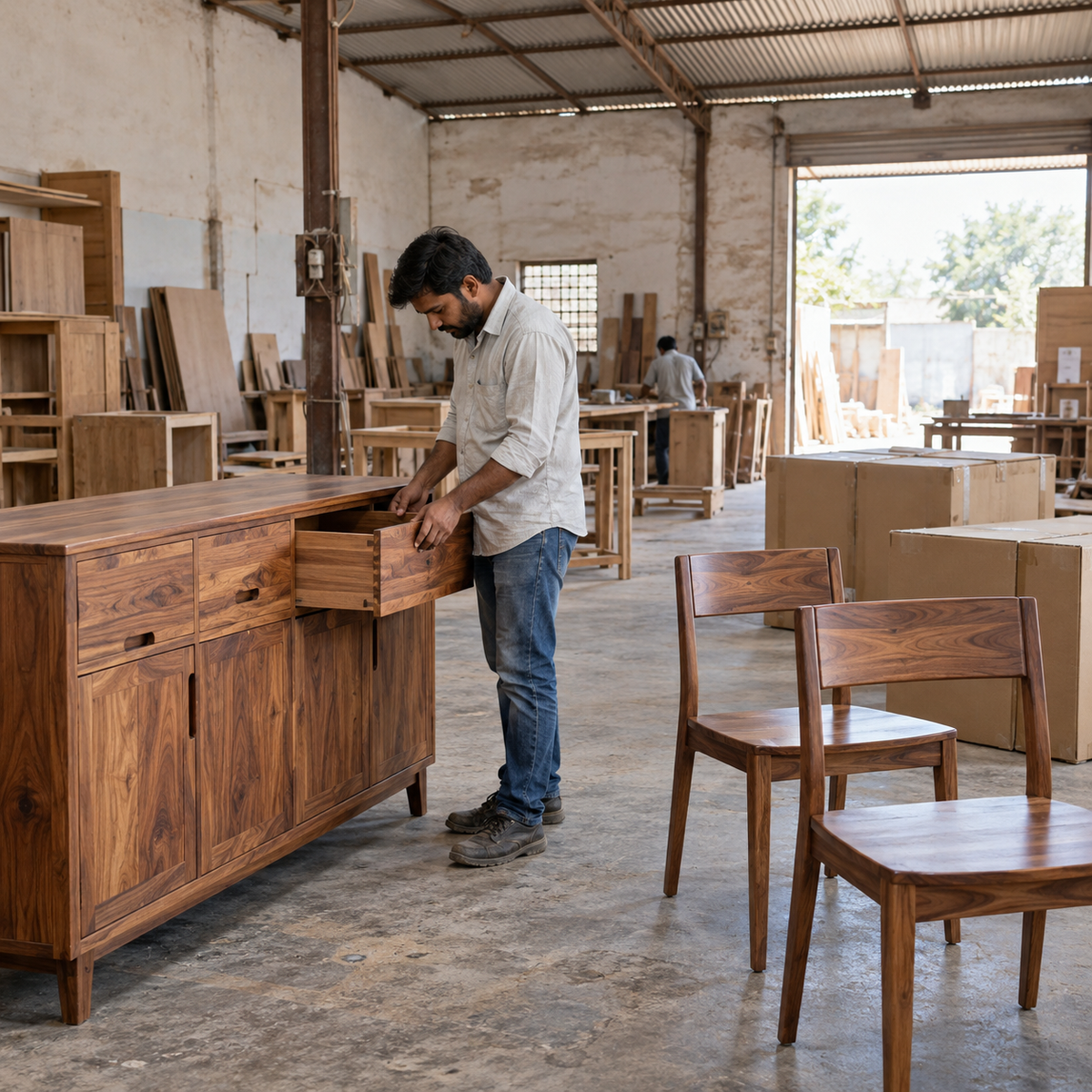
How to Import Wooden Furniture from India
If you want to import furniture from India, start with a clear buying brief. A retailer developing a collection needs different information from a designer furnishing a villa or a hotel ordering bedside tables for several rooms. The more clearly you describe the order, the easier it becomes to compare suppliers and understand what your budget will cover.
At Woodshala, we work with buyers on wooden furniture and custom requirements from Jodhpur. Here is a practical way to organise your first export enquiry.
Build a product list before requesting prices
Prepare one list with a reference image or product link for each item, the quantity, finished dimensions and preferred wood. Add the finish, upholstery or hardware details where relevant. Mention whether the furniture is for a home, retail store, restaurant or another commercial setting, because the intended use affects the specification.
Include the destination country, delivery postcode and required arrival date. Be explicit about units: a table measuring 180 by 90 centimetres should never be left open to interpretation. If your design is flexible, identify which details can change and which must stay exactly as specified.
Compare the same construction across suppliers
Two cabinets can look similar in a photograph and still have different construction. Ask what is used for the top, frame, back panel, shelves and drawer interiors. Record the thicknesses and fittings that matter to your project. This makes comparisons between furniture exporters in India much more useful.
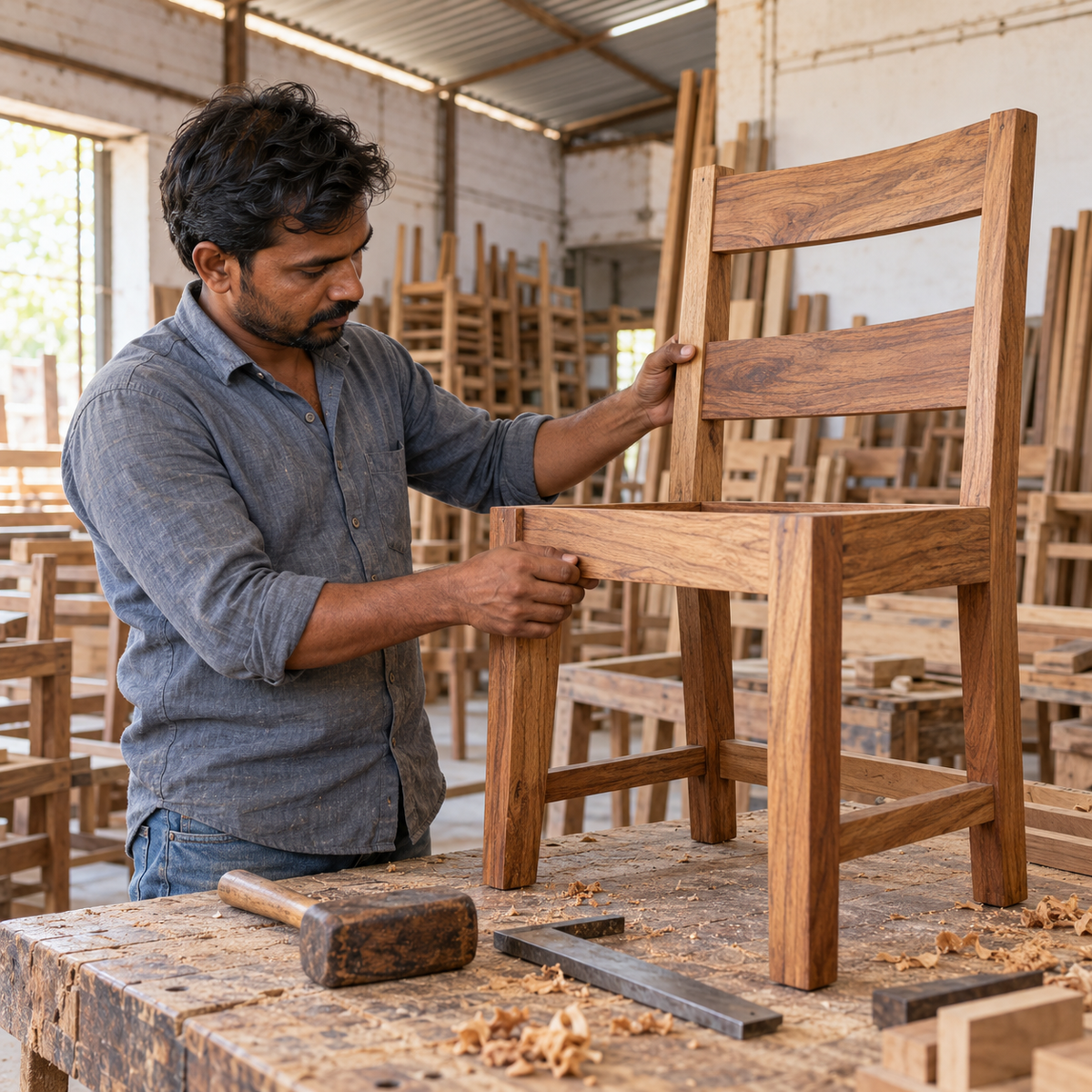
For a solid wood order, agree the material specification component by component. Also ask whether the furniture ships assembled or with parts removed. A lower product price may come with extra assembly work, different hardware or a packing method that changes your receiving costs.
Understand the complete quotation
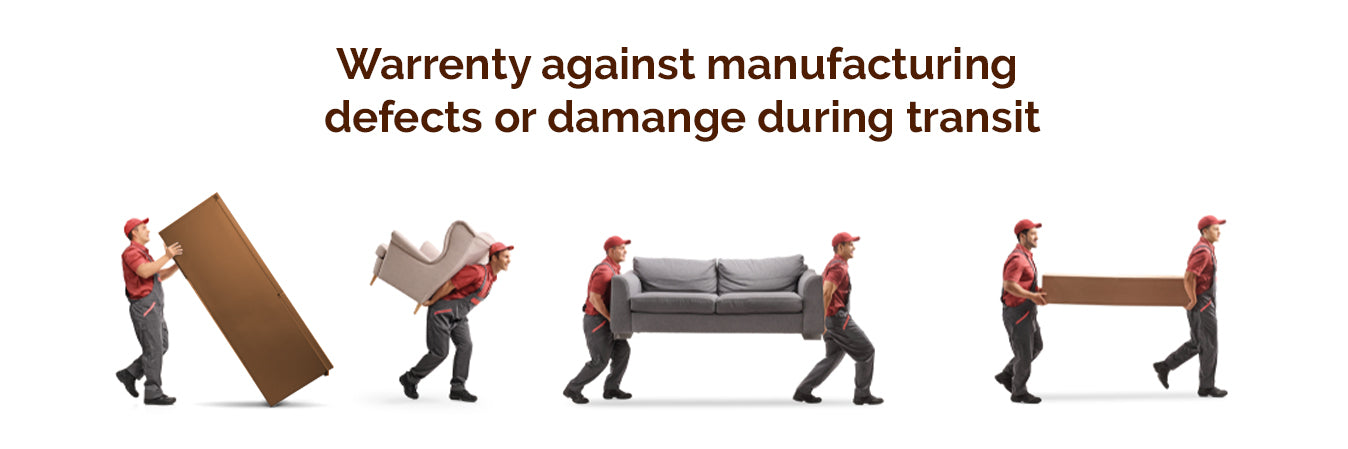
Ask the supplier to separate the furniture price from packaging and transport charges, and to state the delivery basis clearly. Identify who arranges freight, insurance, destination handling and the final journey to your warehouse or project. Any duties and taxes should be checked for your specific shipment and destination.
For your own comparison, use the total expected cost of receiving the order. A cheaper chair can become less attractive if its packed size makes freight more expensive. Request packed dimensions and approximate gross weight before choosing a shipping option.
Approve the details before bulk production
For a new design or repeated item, discuss a sample or prototype and its cost before committing to the full quantity. A physical sample lets you judge comfort, scale and finish more accurately than a screen image. Written drawings and an approved finish sample give both sides a reference for the remaining order.
Keep changes in one updated specification. If a drawer handle or table height changes during discussion, make sure the final quotation and drawing reflect that decision. Agree the inspection approach and what approval is needed before packing.
Plan production and delivery as separate stages
The production completion date is only one part of the schedule. Allow time for approvals, packing, transport, customs clearance and delivery at the destination. Ask for a project-specific timeline, especially when your order contains several designs or needs to arrive before an opening date.
Woodshala accepts enquiries for coordinated bulk orders and custom development. Share your product list, quantities and destination through our bulk-order page, and we can discuss the materials, quotation and dispatch requirements for your project.










Leave a comment
This site is protected by hCaptcha and the hCaptcha Privacy Policy and Terms of Service apply.