Article: How to Choose the Perfect Wooden Stool for Your Space: A Complete Guide
How to Choose the Perfect Wooden Stool for Your Space: A Complete Guide
Finding Your Ideal Wooden Stool
Welcome to our comprehensive guide on selecting the perfect wooden stool for your living space. Wooden stools represent one of the most versatile and timeless furniture pieces you can add to your home. Whether you're searching for kitchen counter seating, a stylish accent piece, or functional furniture that serves multiple purposes, the right wooden stool can transform your space while providing practical seating solutions.
With countless options available in terms of materials, heights, designs, and finishes, finding the ideal wooden stool might seem overwhelming at first. However, with some thoughtful consideration about your specific needs and aesthetic preferences, you can select a piece that will serve you beautifully for years to come. In this guide, we'll help you navigate through the essential factors to consider when choosing a wooden stool that perfectly complements your unique style and space requirements.
Understanding Wooden Stool Materials
The foundation of any quality wooden stool begins with the material itself. The type of wood used significantly impacts the stool's durability, appearance, and maintenance requirements. Understanding the differences between various wood types will help you make an informed decision that aligns with both your aesthetic preferences and practical needs.
Comparing Hardwoods vs. Softwoods
Hardwoods are derived from deciduous trees (those that lose their leaves annually) and are generally denser, more durable, and often more expensive than softwoods. Popular hardwoods for stools include:
Oak: Known for its strength and distinctive grain pattern, oak wooden stools offer exceptional durability and a classic appearance that works well in traditional and rustic settings.
Maple: With its fine, uniform texture and naturally light color, maple provides a clean, contemporary look. Maple wooden stools are extremely hard-wearing and resist dents and scratches effectively.
Walnut: Prized for its rich, chocolate-brown tones and luxurious appearance, walnut creates sophisticated wooden stools that make a statement in any room.
Teak: Naturally water-resistant and exceptionally durable, teak wooden stools are ideal for kitchens, bathrooms, or outdoor spaces where moisture might be present.
Softwoods come from coniferous trees (evergreens) and tend to be more affordable while still offering attractive options:
Pine: Light in color with distinctive knots and grain patterns, pine wooden stools provide a casual, country-inspired look at a budget-friendly price point.
Cedar: Naturally resistant to decay and insects, cedar offers a distinctive aroma and reddish tones that age beautifully over time.
When selecting your wooden stool material, consider not only the appearance but also how the wood will perform in your specific environment. High-traffic areas may benefit from harder, more durable woods, while decorative stools might prioritize the unique grain patterns and color variations found in certain species.
Finding the Right Size and Height
One of the most critical aspects of choosing the perfect wooden stool is ensuring it fits properly within your space and serves its intended purpose comfortably. The wrong height can lead to discomfort and awkward positioning, while incorrect proportions might disrupt your room's visual balance.
Measuring for Perfect Placement
Counter and Bar Height Considerations:
Standard Counter Height: For kitchen counters (typically 36 inches tall), look for wooden stools between 24-26 inches in height. This allows for comfortable seating with approximately 10-12 inches between the seat and counter surface.
Bar Height: If your bar surface is around 42 inches tall, select wooden stools between 28-30 inches high to maintain the same comfortable clearance.
Table Height: For standard dining tables (about 30 inches tall), wooden stools should measure approximately 18 inches from floor to seat.
Measuring Tips:
Measure from the floor to the underside of your counter, bar, or table.
Subtract 10-12 inches to determine the ideal seat height for your wooden stool.
Consider the stool's footprint in relation to your available space, allowing at least 6 inches between stools for comfortable seating.
Account for clearance needed to tuck stools completely under counters when not in use, if that's desired.
Space Planning:
When determining how many wooden stools will fit comfortably in your space, follow these guidelines:
Allow 21-24 inches of width per stool for comfortable seating.
For swivel stools or those with arms, add an additional 2-3 inches per stool.
Ensure there's enough room for people to get in and out easily, particularly in high-traffic areas.
Remember that the perfect wooden stool should allow users to sit with their feet flat on the floor or comfortably resting on a footrest. Testing the height before purchasing, when possible, can save you from selecting stools that look perfect but feel uncomfortable during actual use.
Design Styles That Enhance Your Space
Beyond practical considerations of material and size, the design of your wooden stool plays a crucial role in how it contributes to your overall interior aesthetic. From minimalist modern to elaborately carved traditional pieces, wooden stools come in countless design variations to suit any décor style.
Matching Wooden Stools to Your Existing Décor
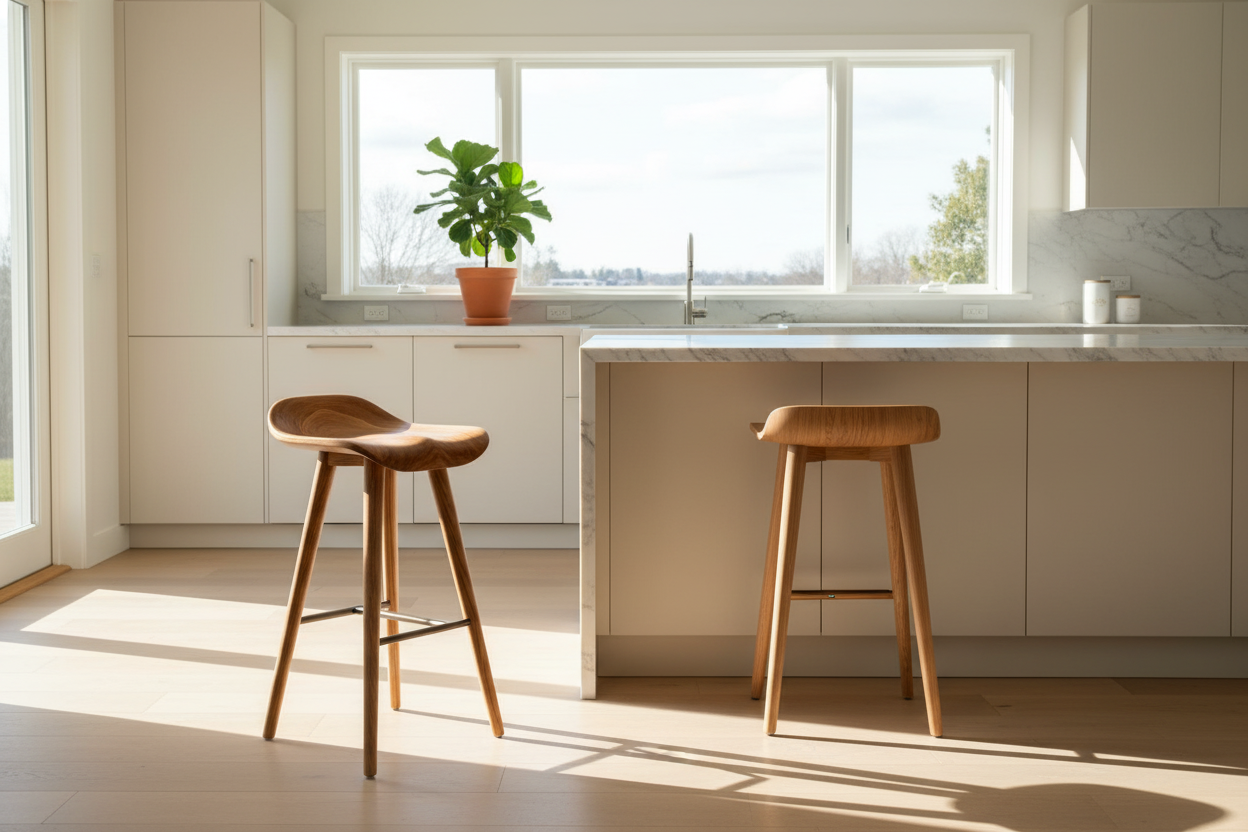
Modern and Contemporary Spaces: For sleek, contemporary interiors, look for wooden stools with clean lines, minimal ornamentation, and potentially mixed materials like wood and metal. Consider:
Streamlined silhouettes with geometric shapes
Light or blonde wood tones like ash or maple
Minimalist backless designs that tuck neatly under counters
Stools with subtle curves that add visual interest without overwhelming the space
Traditional and Classic Interiors: Traditional wooden stools often feature more detailed craftsmanship and warmer wood tones:
Rich mahogany, cherry, or walnut finishes
Turned legs with decorative details
Comfortable saddle seats or upholstered options
Designs with backrests for additional support and classic appeal
Rustic and Farmhouse Styles: Embrace the charm of rustic wooden stools with these characteristics:
Distressed or reclaimed wood with visible grain and character
Simpler construction with sturdy proportions
Natural or whitewashed finishes
X-braces or ladder-back designs for authentic farmhouse appeal
Industrial and Urban Settings: Combine wood with industrial elements for an on-trend look:
Wooden seats paired with metal legs or frames
Darker wood tones contrasted with black or brushed metal
Adjustable height mechanisms for versatility
Simplified forms that emphasize function alongside style
When selecting wooden stools for your space, consider how they'll interact with your existing furniture. Do you want them to blend seamlessly with your current décor, or serve as accent pieces that provide contrast? The finish of the wood can dramatically impact how well the stools integrate with your space—lighter finishes tend to feel more casual and contemporary, while darker stains often convey formality and sophistication.
Functional Features to Consider
Beyond aesthetics, several functional features can enhance the usability and comfort of your wooden stool. These practical considerations ensure your selection meets your everyday needs while still looking beautiful in your space.
Backrest Options:
Backless wooden stools offer a clean look and easy storage but provide less support for extended sitting.
Low-back designs offer some support while maintaining a streamlined appearance.
Full-back wooden stools provide maximum comfort for longer seating periods but require more space.
Seat Comfort:
Contoured wooden seats follow the natural curves of the body for improved comfort.
Upholstered options add cushioning and can introduce color or pattern to your space.
Saddle seats offer ergonomic benefits for longer sitting sessions.
Additional Features:
Swivel capabilities allow for easier movement and conversation.
Footrests provide support and comfort, especially important for higher stools.
Stackable designs offer space-saving benefits when not in use.
Foldable wooden stools provide ultimate flexibility for occasional seating needs.
Consider how your wooden stool will be used on a daily basis. Will it primarily serve as quick seating for breakfast or will people sit on it for extended periods? Is storage space limited, making foldable or stackable options more practical? Answering these questions will guide you toward functional features that enhance your experience with the wooden stool beyond its visual appeal.
Maintenance and Longevity
A quality wooden stool represents an investment in your home, and proper care ensures it remains beautiful and functional for years to come. Different wood types and finishes require specific maintenance approaches to preserve their appearance and structural integrity.
General Care Tips:
Dust regularly with a soft, dry cloth to prevent buildup that can scratch the surface.
Clean spills immediately to prevent staining or water damage, especially on unsealed woods.
Use coasters under drinks to prevent water rings and heat damage.
Apply furniture wax or polish appropriate for your specific wood type every few months.
Keep wooden stools away from direct sunlight, which can cause fading and drying.
Finish Considerations:
Sealed or varnished wooden stools offer the most protection against spills and wear.
Oil-finished wood provides a natural look but requires more frequent maintenance.
Painted wooden stools may chip over time and need occasional touch-ups.
By understanding the care requirements of your chosen wooden stool, you can ensure it remains a beautiful part of your home for generations. Quality wooden furniture often develops character over time, with the patina of well-maintained wood adding to its charm and value.
Making Your Final Selection
When you've narrowed down your options based on material, size, design, and functionality, the final decision often comes down to quality assessment and personal connection to the piece. Here are some final considerations to help you make your selection:
Quality Indicators:
Examine joints for tight, secure construction with no gaps or excess glue.
Test the stool for stability and wobble-free performance.
Look for smooth, splinter-free surfaces with consistent finishing.
Check weight capacity specifications to ensure the stool meets your needs.
Sustainability Considerations:
Look for wooden stools made from sustainably harvested timber or reclaimed wood.
Consider manufacturers who use eco-friendly finishing products.
Evaluate the potential longevity of the piece—quality wooden stools that last for decades are inherently more sustainable than disposable furniture.
Bringing It All Together
The perfect wooden stool successfully balances functionality, aesthetics, and quality craftsmanship. By carefully considering your space requirements, preferred wood type, and design elements, you can select a wooden stool that not only serves its practical purpose but also enhances your home's character and reflects your personal style.
Remember that wooden stools often become more than just seating—they can serve as side tables, display platforms, or even as standalone decorative elements when not in use. This versatility makes them particularly valuable additions to your home furnishings.
Invest time in finding a wooden stool that speaks to you both functionally and aesthetically. The right piece will seamlessly integrate into your space while providing comfortable, reliable seating for years to come. With proper care, your chosen wooden stool may even become a cherished heirloom, carrying its beauty and utility into the future.